Contact Lenses
Contact Lens Problems: Symptoms, Causes and What to Do in the UK

Contact Lens Problems: Symptoms, Causes and What to Do in the UK

 Home

   /
   Blog
   /
         Contact Lens Problems: Symptoms, Causes and What to Do in the UK   March 30, 2026
             SEO Tapita

        The most common contact lens problems are dry eyes, redness, blurry vision, discomfort on insertion, and eye infections. Most minor issues resolve by removing the lens and resting your eyes. Pain, discharge, or vision changes that persist after lens removal require urgent attention from a UK optician or A&E.
Contact lenses are worn safely by around 1.65 million people in the UK, but occasional problems are part of the experience. Knowing how to identify a contact lens problem, assess its severity, and respond correctly makes a real difference to your eye health and comfort. This guide covers everything you need.
Important: This article is for general information only and does not replace professional advice. If you experience sudden eye pain, vision loss, or discharge, stop wearing your lenses immediately and contact a registered UK optician or call NHS 111.
How to Tell If Your Contact Lens Problem Is Minor, Moderate or an Emergency
Not every contact lens problem requires a trip to the optician, but some do. The single most important skill for any lens wearer is understanding the difference between something that will resolve with rest and something that needs professional care urgently.
Symptom
Level
What to Do
Timeframe
Mild dryness or end-of-day discomfort
Minor
Remove lens, rest eyes, use rewetting drops
Resolves within 1’? hours
Redness without pain or discharge
Minor to Moderate
Remove lens. Do not reinsert. Monitor for 24 hours
See optician if no improvement
Lens feels uncomfortable or gritty
Minor
Remove, re-clean, reinsert. Check lens is not inside out
See optician if persistent
Persistent redness after lens removal
Moderate
Stop wearing lenses. Book urgent optician appointment
Within 24’?8 hours
Blurred vision that does not clear
Moderate
Remove lens. If vision does not return to normal, see optician same day
Same day
Eye pain, discharge, or swelling
Emergency
Remove lens immediately. Contact optician or call NHS 111
Immediately
Sudden vision loss or halos around lights
Emergency
Go to A&E immediately
Immediately
The table above covers the most frequent contact lens problems and the recommended response. When in doubt, removing the lens immediately is always the safest first step. Never continue wearing a lens through significant pain or discharge.
The 7 Most Common Contact Lens Problems and How to Fix Them
Understanding what is causing your discomfort makes it far easier to respond correctly. Here are the seven problems UK lens wearers report most often, along with their causes and practical solutions.
Dry Eyes and End-of-Day Discomfort
Dry eyes are the most frequently reported contact lens complaint in the UK. Contact lenses sit directly on the cornea and can reduce oxygen flow and disrupt the tear film, particularly after several hours of wear. Symptoms include a gritty or scratchy feeling, fluctuating vision, and a strong urge to remove the lens.
For immediate relief, use rewetting drops labelled as safe for contact lens wear. For ongoing dry eye, switching to daily disposable lenses reduces lens deposit build-up significantly, as each pair begins fresh with full moisture retention. If dryness persists despite these measures, book an appointment with your optician to discuss whether your lens material or replacement schedule needs to change.

Red Eyes
Red eyes during or after lens wear can signal several different problems. Overwear is the most common cause: the cornea becomes starved of oxygen and blood vessels near the surface dilate. Mild redness that clears within two hours of removing the lens is usually not serious. Redness accompanied by pain, discharge, or swelling is a different matter and requires professional attention on the same day.
Blurry Vision
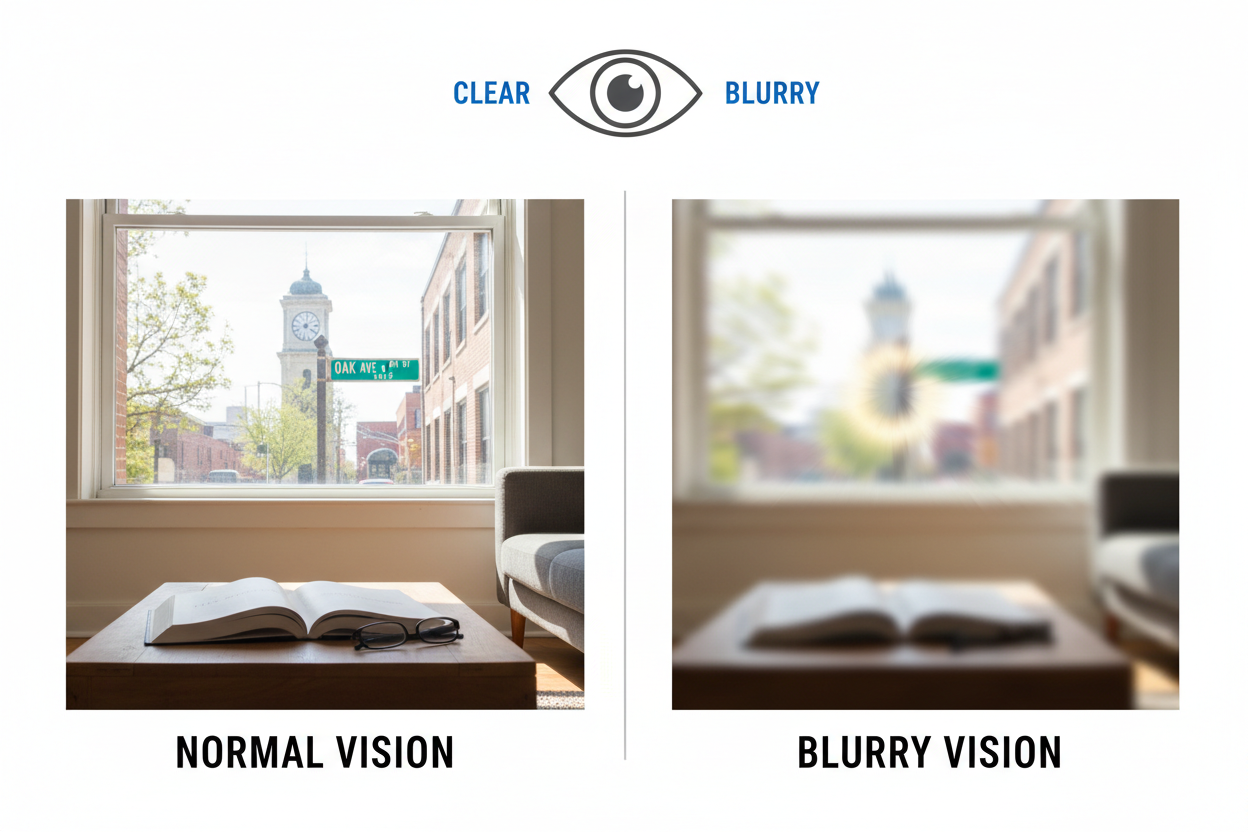
Blurry vision in a contact lens wearer most often has a straightforward cause: a dirty lens, a lens that has slipped off-centre, or a lens that has dried out. Removing the lens, cleaning it thoroughly with fresh solution, and reinserting it resolves most cases. If blurry vision persists after cleaning or recentring, stop wearing the lens and contact your optician, as your prescription may need updating or the lens fit may have changed.
Discomfort on Insertion
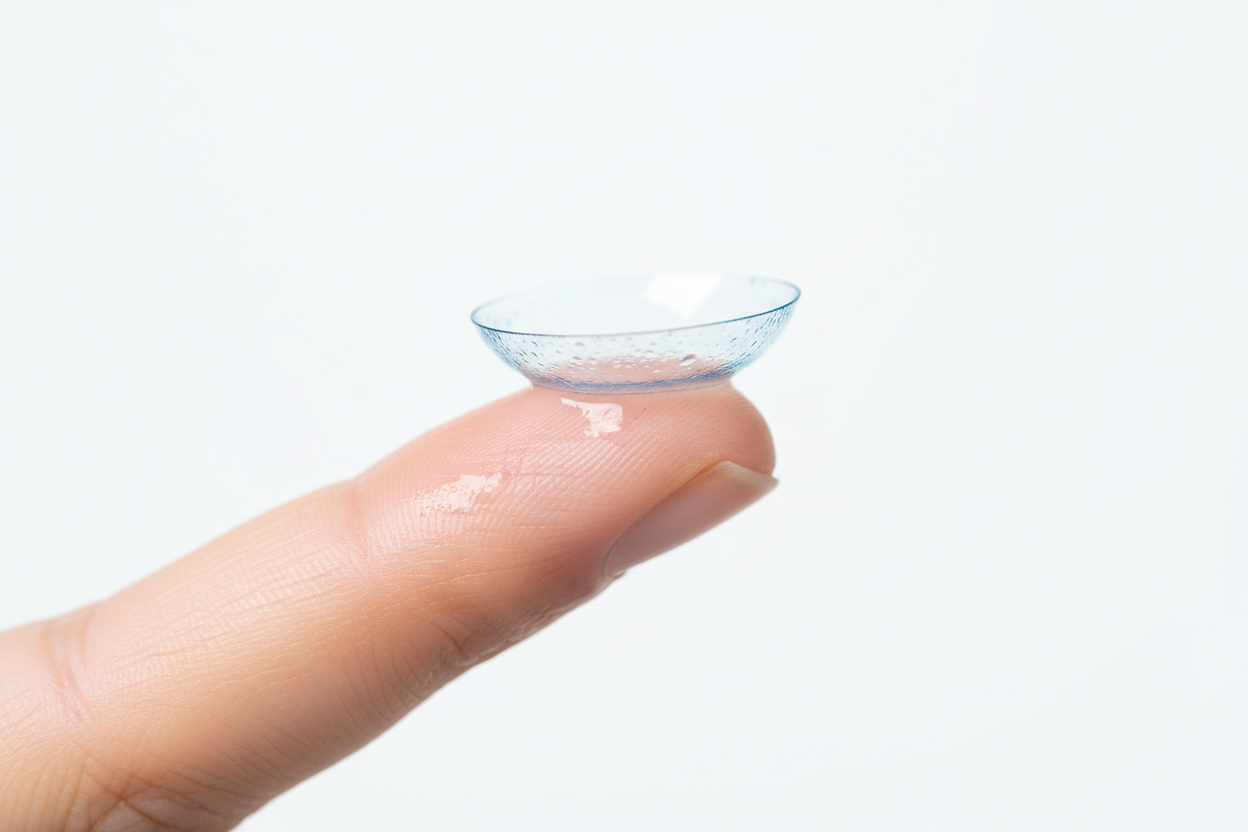
If a lens feels immediately uncomfortable when inserted, check first whether it is inside out. A soft lens inserted inside out will feel noticeably wrong and may fold or move excessively. Place it on your fingertip and check the edge: a correctly oriented lens has a smooth, bowl-shaped rim. If the lens appears undamaged and correctly oriented but still causes discomfort, re-clean it with fresh solution before reinserting. Never continue wearing a lens that causes persistent pain from the moment it is placed.
Lens Stuck or Difficult to Remove
A lens that feels stuck in the eye has usually dried out or shifted under the upper eyelid. Apply several drops of preservative-free rewetting solution or sterile saline, blink slowly, and wait two to three minutes before attempting removal. Avoid rubbing the eye. If the lens has moved under the eyelid, look in the opposite direction to the lens position and gently massage the outer eyelid surface. A lens cannot travel to the back of the eye: the conjunctiva forms a physical barrier. If you cannot locate or remove the lens, contact your optician rather than continuing to probe.
Eye Infection Symptoms
Eye infections are the most serious contact lens problems. Bacterial keratitis, the most common infection in lens wearers, presents with pain, redness, sensitivity to light, and sometimes discharge. Conjunctivitis produces redness, a gritty sensation, and sticky discharge. If you notice any of these signs, stop wearing your lenses immediately and do not reinsert them. Book an urgent optician appointment or use NHS 111 if your optician is unavailable. For a detailed breakdown of infection warning signs, this guide to contact lens infection symptoms covers when each stage requires professional intervention.
Allergic Reactions to Lenses or Solution
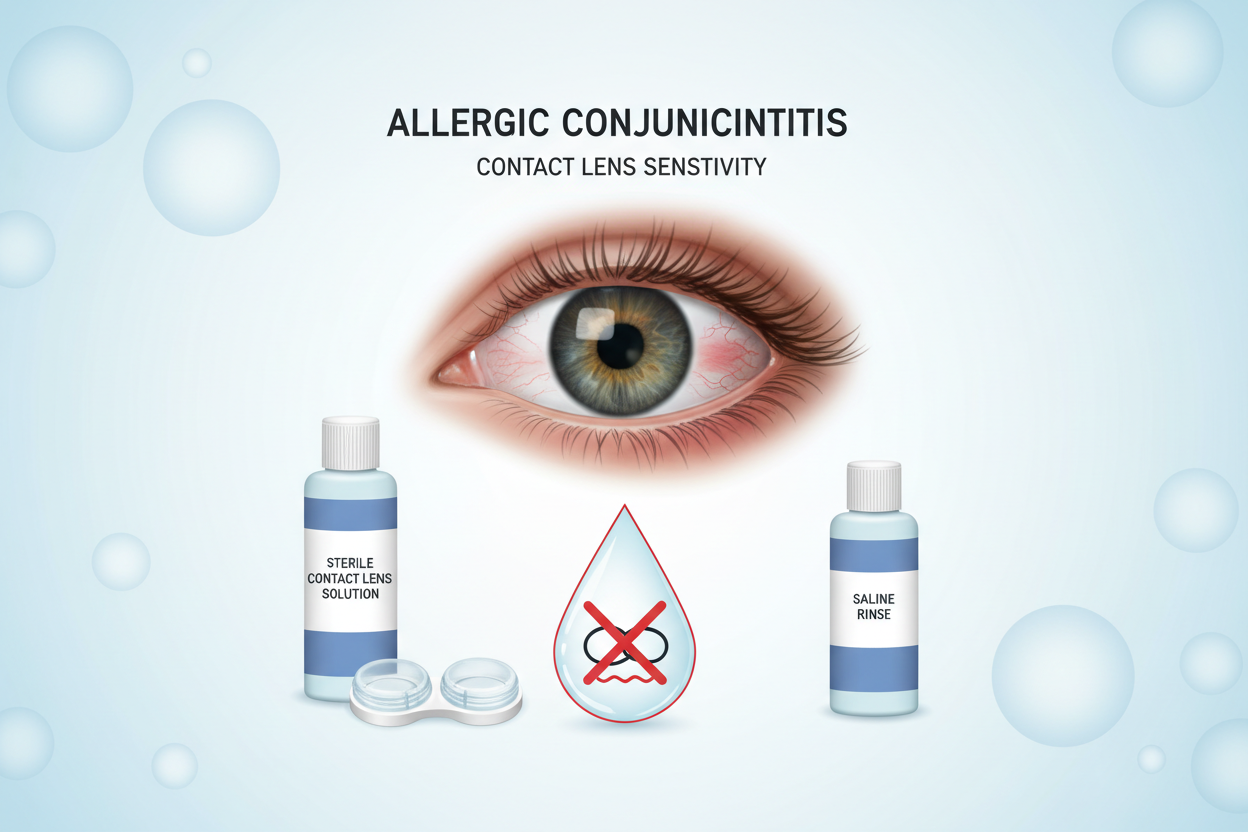
Some wearers develop sensitivity to the preservatives in multipurpose solutions, or to protein deposits that accumulate on reusable lenses. Symptoms include itching, redness, and increased mucus production. Contact lens allergy is often managed by switching to daily disposables, which eliminate deposit build-up entirely, or by changing to a hydrogen peroxide cleaning system that contains no preservatives. Speak with your optician before making any change to your lens care routine.
Contact Lens Problems Specific to Coloured Lenses
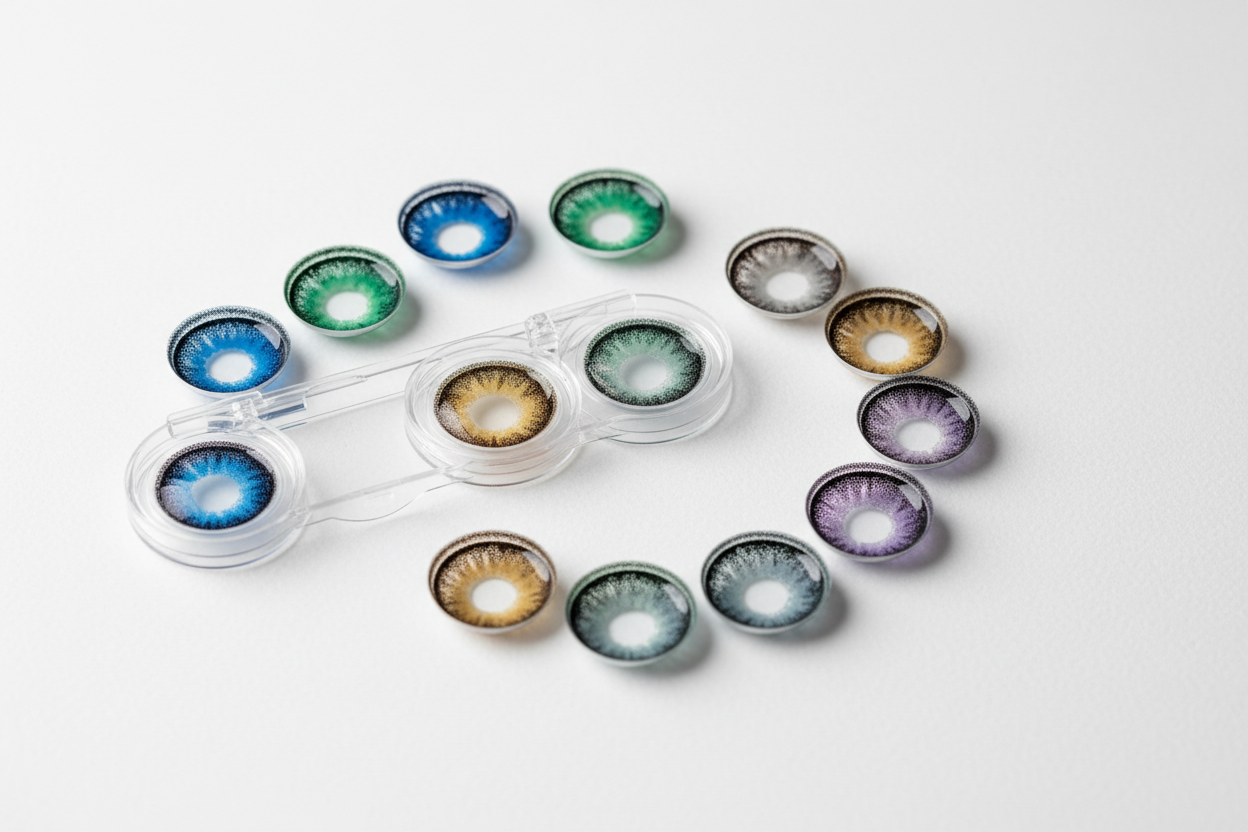
Coloured contact lenses come with a small set of additional considerations that clear lenses do not. Bella lenses are FDA and CE certified and made to consistent optical and hygiene standards, but the principles below apply to all coloured lenses regardless of brand.
Why Coloured Lenses Can Feel Different to Clear Ones
Coloured lenses contain an additional pigment layer within the lens material. In some designs, this makes the lens marginally less flexible than a comparable clear lens. Most wearers adapt within a few days. If discomfort persists beyond the adjustment period, it usually points to a fit issue rather than the colour itself, which brings us to the most important point about coloured lens comfort.
Lens Movement and the Importance of Fit
A coloured lens that moves excessively with each blink, causing fluctuating colour or a flickering effect, is almost always a fit problem. The base curve or diameter is not suited to the individual eye shape. This is why UK law requires a valid contact lens prescription from a registered optician before purchasing any contact lenses, including cosmetic lenses worn without vision correction. Never buy coloured lenses without a fitting. Explore Bella’s full coloured contact lens range , all of which are available in prescription and plano (zero power) options.
Buying Uncertified Coloured Lenses and the Risks
Coloured lenses sold without CE or FDA approval, often found through unofficial online channels, carry significant risk. Substandard materials reduce oxygen permeability, irregular manufacturing means poor fit, and inadequate sterilisation increases infection risk. The MHRA in the UK classifies all contact lenses as medical devices. Purchasing from a regulated retailer and holding a valid prescription are the two most effective safeguards against lens-related eye problems.
When to See an Optician, When to Go to A&E, and When to Call NHS 111
The UK has a clear clinical pathway for eye problems. Using the right route saves time and ensures your eyes receive the appropriate level of care.
What Your UK Optician Can Treat
Registered UK opticians are equipped to manage most contact lens problems, including infections, dry eye, fit issues, and allergic reactions. If your regular practice is closed, Primary Eyecare Services can direct you to an urgent eye care provider near you. Most opticians can offer a same-day appointment for genuine contact lens emergencies during practice hours.
When to Use NHS 111 for Eye Problems
Call NHS 111 if you have significant eye pain, discharge, or blurred vision outside practice hours and are unsure whether you need urgent care. The 111 service can triage your symptoms, advise on the nearest appropriate care option, and book an appointment with an urgent eye care provider if needed.
Eye Problems That Require Immediate A&E Attendance
Go to A&E immediately if you experience sudden vision loss in one or both eyes, a visible foreign object embedded in the eye, chemical exposure to the eye, eye trauma following an impact, or shadows or curtaining appearing in your field of vision. These symptoms can indicate conditions such as retinal detachment or chemical keratitis that require emergency treatment. Contacting your optician or NHS 111 first is appropriate for most contact lens problems, but not for these.
How to Prevent Contact Lens Problems: A Daily Checklist
The vast majority of contact lens problems are preventable. These habits, followed consistently, reduce your risk of infections, discomfort, and lens damage significantly.
Stage
Action
Why It Matters
Before insertion
Wash and dry hands thoroughly
Prevents bacterial transfer to the eye surface
Before insertion
Check lens for damage or deposits
Damaged lenses can cause corneal abrasion and irritation
During wear
Follow prescribed wear schedule
Overwear is the leading cause of corneal hypoxia
During wear
Never sleep in daily or monthly lenses
Sleeping in lenses raises infection risk significantly
After removal
Rub and rinse lenses with fresh solution
Removes biofilm that rinsing alone cannot clear
After removal
Air-dry lens case upside down
Wet cases become breeding grounds for bacteria
Monthly
Replace lens case
Old cases are a major but overlooked infection vector
Annually
Attend contact lens check with your optician
Prescription and fit can change without obvious symptoms
Most contact lens problems trace back to one of the steps above being skipped. The case and solution hygiene entries are the most commonly overlooked. Topping up old solution rather than replacing it eliminates the disinfecting effect entirely.
For a full step-by-step cleaning guide, how to clean contact lenses properly covers the correct technique for reusable lenses. For advice on choosing the right solution type, contact lens solution explained compares multipurpose, hydrogen peroxide, and saline options.
Final Thoughts
Most contact lens problems are minor, manageable, and preventable. Knowing the difference between something that resolves with rest and something that needs professional care quickly is the most valuable thing any lens wearer can know. When symptoms are severe or persistent, acting promptly protects your long-term vision.
Looking for comfortable, certified coloured contact lenses? Browse the full Coloured Contact Lenses collection at Bella Lense, all lenses are FDA and CE approved, available in prescription and plano options, with next-day UK delivery.