Contact Lenses
How to Clean Contact Lenses Properly: A Step-by-Step Guide

How to Clean Contact Lenses Properly: A Step-by-Step Guide
 Home

   /
   Blog
   /
         How to Clean Contact Lenses Properly: A Step-by-Step Guide   February 07, 2026
             SEO Tapita

        Knowing how to clean contact lens properly is one of the most important habits for protecting your eye health and maintaining clear, comfortable vision. Even contact lenses that look clean can carry invisible bacteria, protein deposits, or debris that increase the risk of irritation and infection. Many eye problems related to contact lenses are not caused by the lenses themselves, but by incorrect cleaning routines or poor hygiene practices.
This guide explains the correct steps to clean contact lenses, the tools and solutions you need, common mistakes to avoid, and how proper cleaning fits into a broader approach to safe lens care, as covered in Mastering Contact Lenses.
Why Cleaning Contact Lenses Matters
Contact lenses sit directly on the surface of the eye, creating an environment where bacteria and deposits can accumulate quickly if not cleaned correctly. Every time you wear lenses, proteins from your tears, oils from your skin, and environmental particles begin to build up on the lens surface.
Over time, poor lens hygiene can lead to:
Reduced oxygen flow to the eye
Increased friction between the lens and cornea
Higher risk of inflammation or infection
Dirty lenses are strongly linked to eye infections such as conjunctivitis and keratitis. Following proper cleaning steps and long-term care guidelines, including care your contact lens for eye health , helps reduce these risks and supports comfortable, healthy lens wear.
What You Need to Clean Contact Lenses
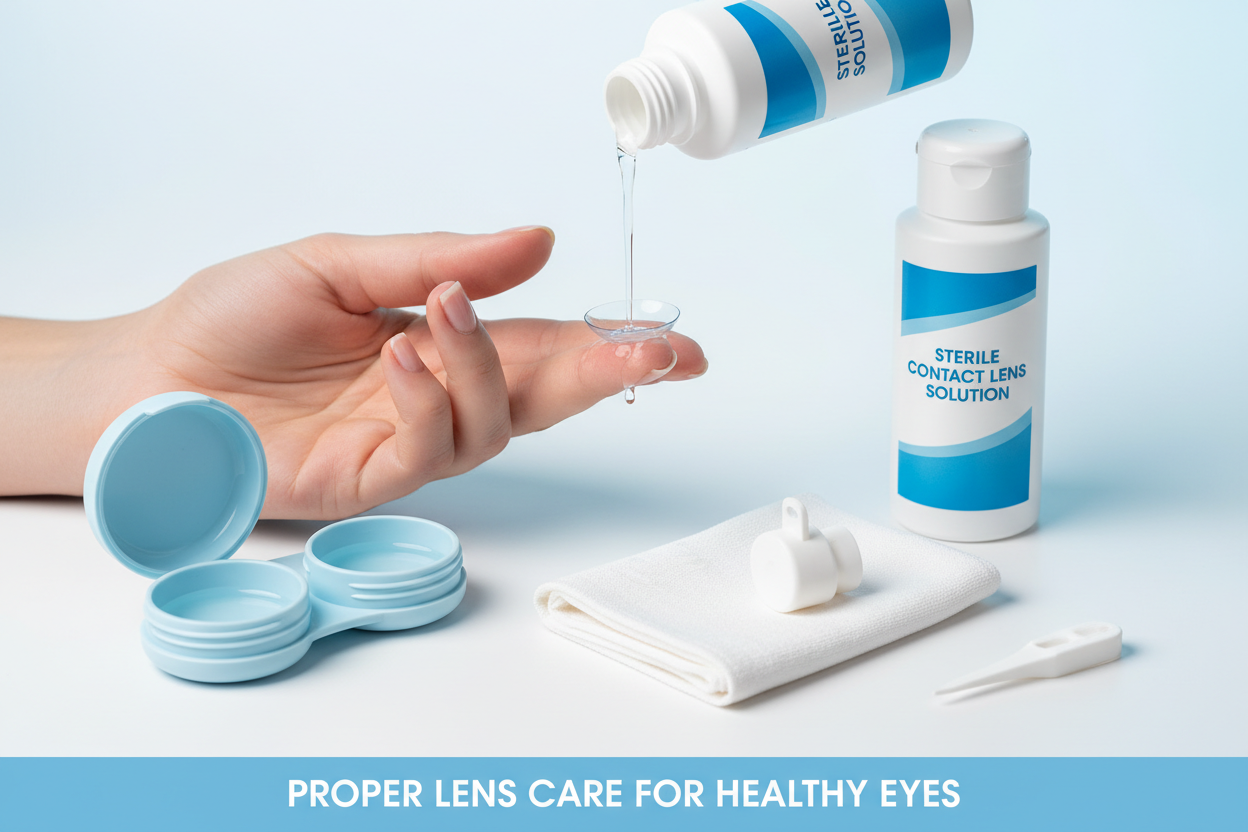
Before learning how to clean contact lens correctly, it’s important to have the right supplies. Using improper products can be as harmful as not cleaning at all.
You will need:
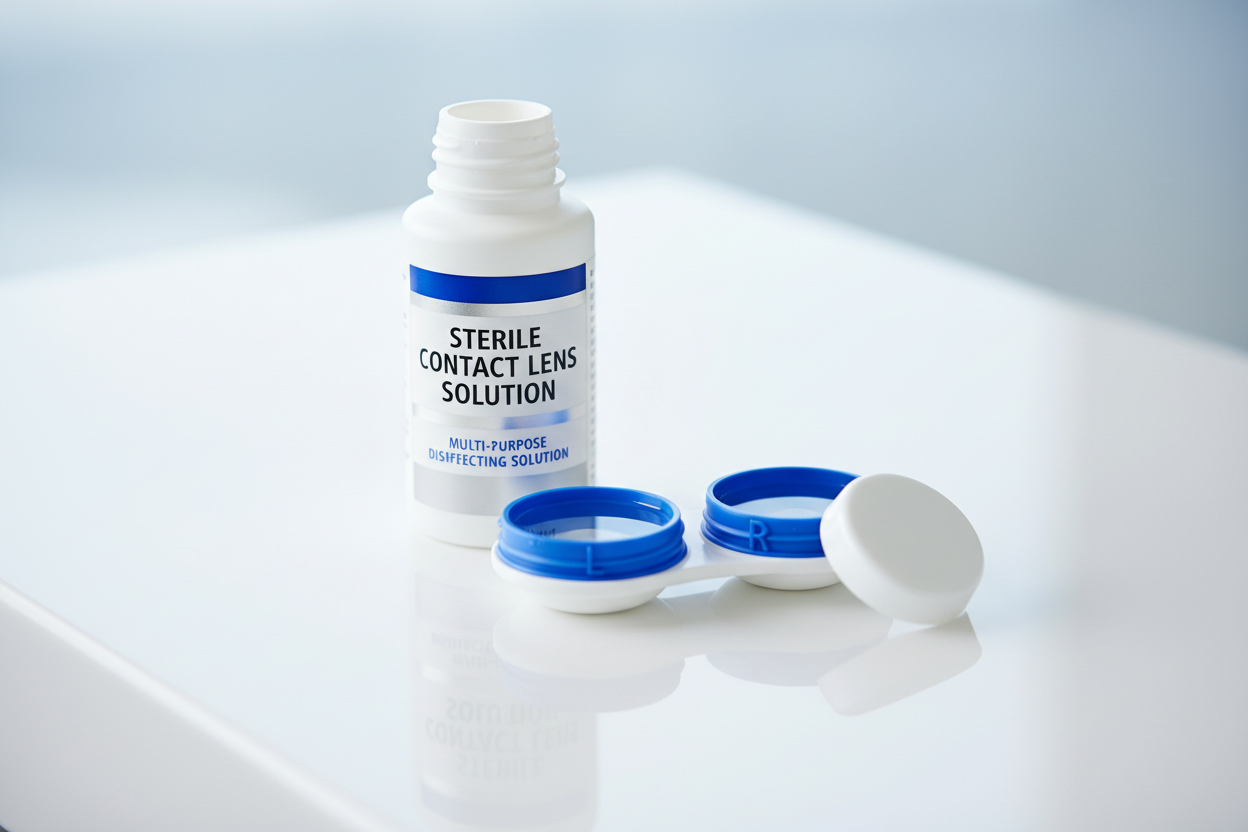
An approved multipurpose or hydrogen peroxide contact lens solution
A clean, well-maintained contact lens case
Clean, dry hands
A lint-free towel
Never substitute contact lens solution with water or homemade mixtures. Using the correct products ensures effective removal of bacteria, debris, and protein buildup.
How to Clean Contact Lenses (Step-by-Step)
Cleaning contact lenses should be done every time you remove them, unless you are using daily disposable lenses. The following steps outline a safe, effective routine.
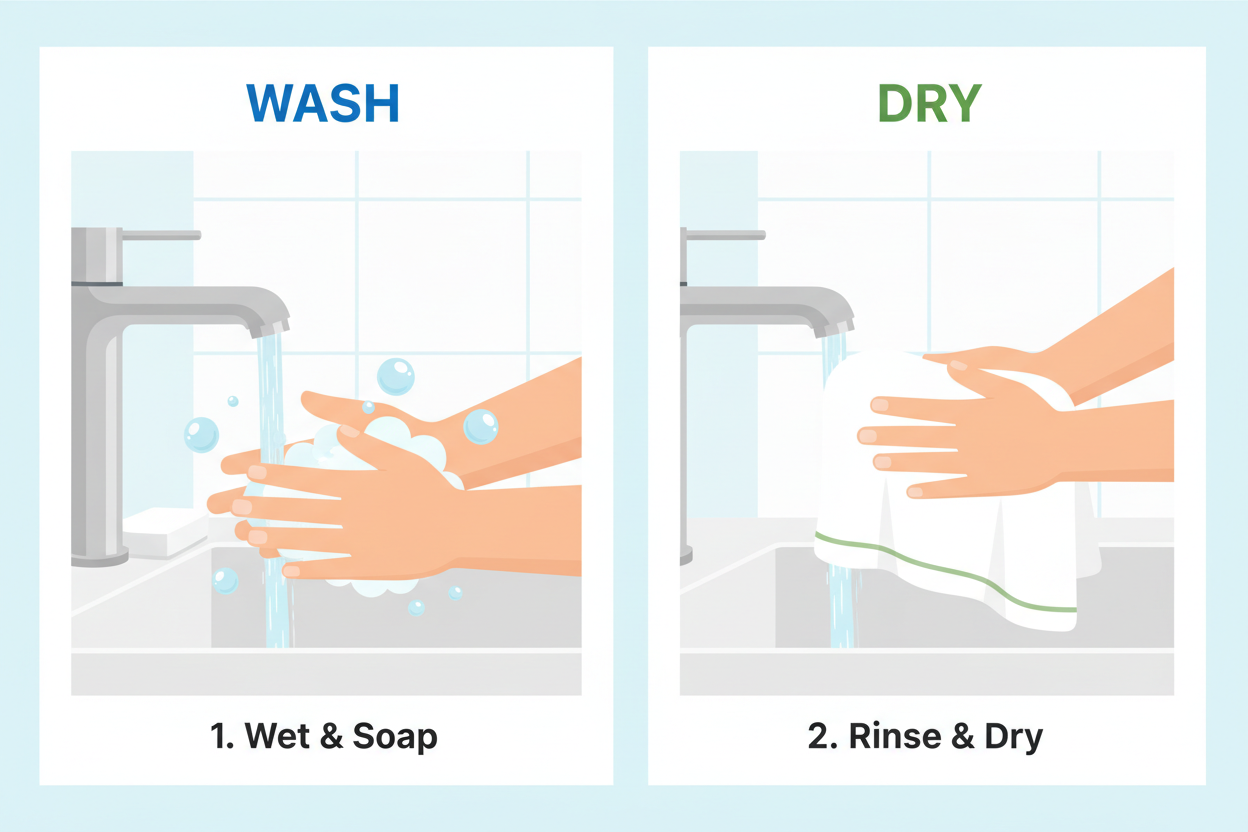
Step 1 ‘?Wash and Dry Your Hands
Always start with clean hands to avoid transferring bacteria to your lenses.
Use unscented, non-moisturising soap
Rinse thoroughly
Dry with a clean, lint-free towel
Hand hygiene is the foundation of safe contact lens care.
Step 2: Remove and Inspect the Lens
Carefully remove contact lenses one at a time and place each lens in your palm.
Inspect for tears, chips, or debris
Do not wear lenses that appear damaged or misshapen
Wearing a damaged lens can cause irritation or corneal injury.
Step 3: Clean the Lens with Solution
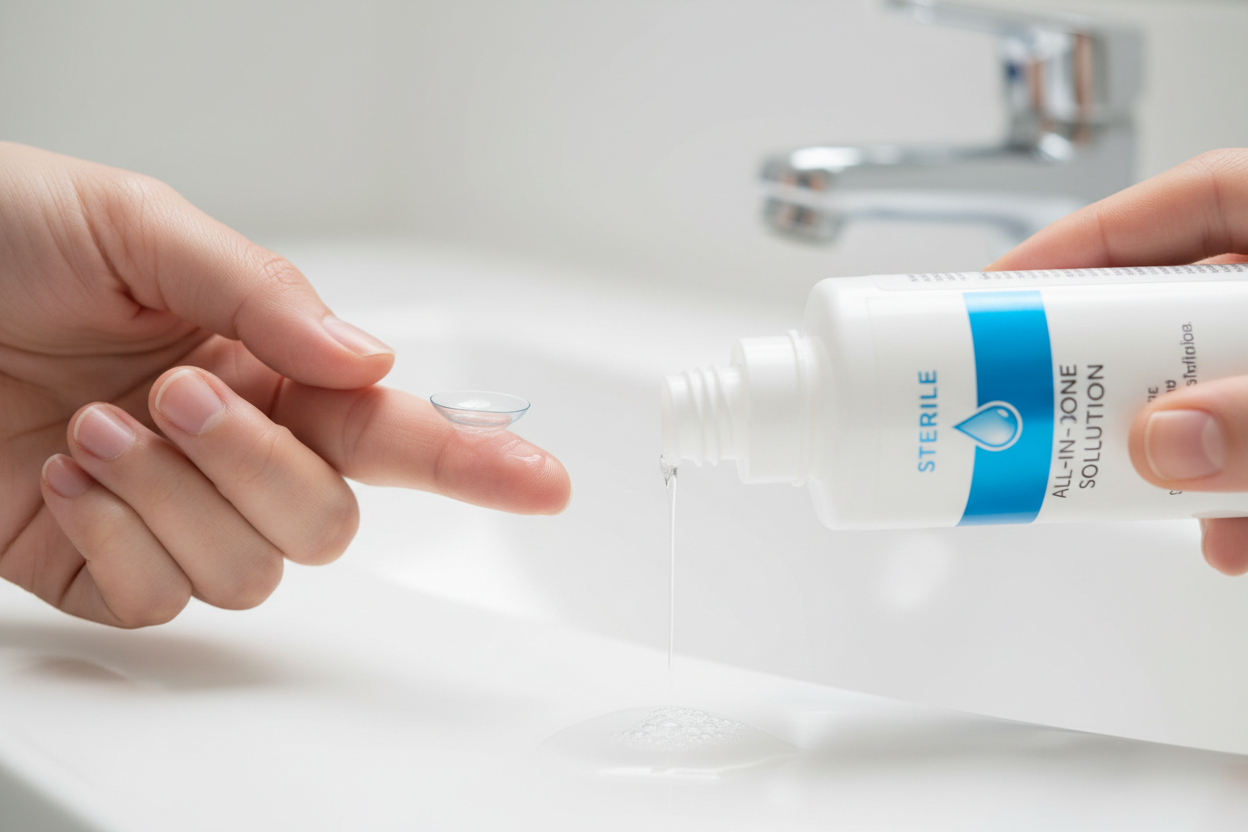
Place the lens in the palm of your hand and apply a few drops of fresh solution.
Gently rub the lens with your fingertip for 10’?5 seconds
Clean both sides of the lens
Even “no-rub’?solutions benefit from gentle rubbing, which helps remove surface deposits more effectively.
Step 4: Rinse the Lens
Rinse the lens thoroughly with fresh contact lens solution.
Use only sterile solution
Never use tap water or bottled water
Water can contain microorganisms that are unsafe for contact lenses.
Step 5: Store the Lens Properly
Place the clean lens in a clean case filled with fresh solution.
Never reuse old solution
Ensure the lens is fully submerged
Proper storage is essential for disinfecting lenses between uses.
How Often Should You Clean Contact Lenses?
The frequency of cleaning depends on the type of lenses you wear, but some rules apply universally.
Daily and monthly lenses should be:
Cleaned after every removal
Stored in fresh solution each time
Replacement schedules also matter. Overwearing lenses increases infection risk, even if they are cleaned properly. Follow guidance such as how often should you replace your contact lenses? to ensure both cleanliness and safety.
What Not to Do When Cleaning Contact Lenses
Many common mistakes significantly increase the risk of eye problems.
Avoid the following:
Using water, saliva, or homemade solutions
Reusing or ‘渢opping up’?old solution
Sleeping in lenses unless approved by your eye care provider
Skipping cleaning because lenses “look clean’?
These habits allow bacteria to multiply and reduce the effectiveness of lens disinfection.
How to Clean a Contact Lens Case
Lens cases are a frequent source of contamination and must be cleaned regularly.
Proper case care includes:
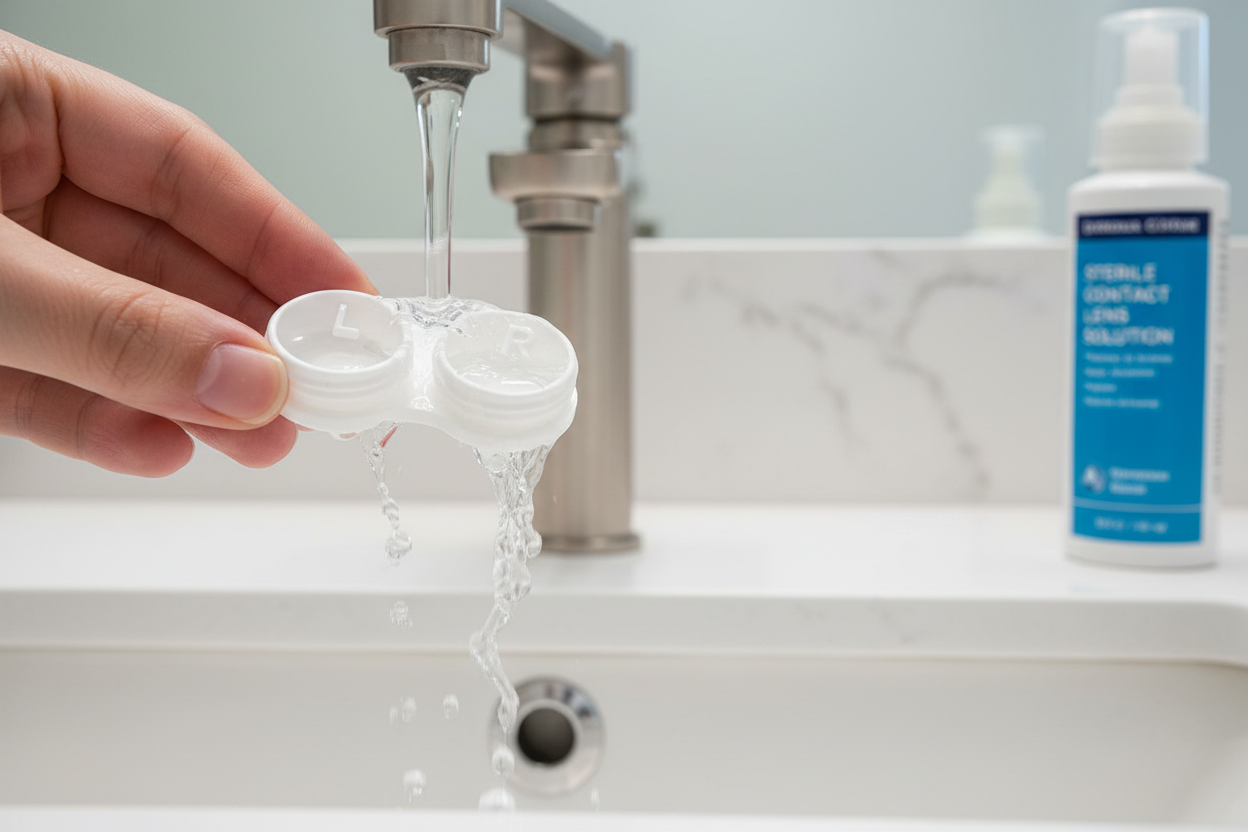
Rinsing the case with fresh contact lens solution (not water)
Leaving it open and air-drying upside down
Replacing the case every 1’? months
A clean case is just as important as clean lenses.
Signs Your Contact Lenses Are Not Clean
Even with regular cleaning, lenses may become contaminated or damaged over time.
Warning signs include:
Blurry or fluctuating vision
Redness or discomfort after insertion
Burning or stinging sensations
Unusual discharge
If these symptoms persist, stop wearing lenses and consult an eye care professional.
Understanding how to clean contact lens correctly is essential for protecting your vision and preventing avoidable eye infections. Consistent hygiene, proper cleaning techniques, and correct replacement schedules work together to support long-term eye health. By following a structured routine and reliable guidance like Mastering Contact Lenses, you can enjoy safe, comfortable contact lens wear and reduce the risk of complications. If discomfort or vision changes persist, consult an optometrist promptly.